FIND YOUR PLACE UNDER THE NIGHT SKY.

A practical guide to amateur astronomy clubs, observing events, stargazing locations, equipment and astronomy communities across Europe.

ASTRONOMY GUIDES

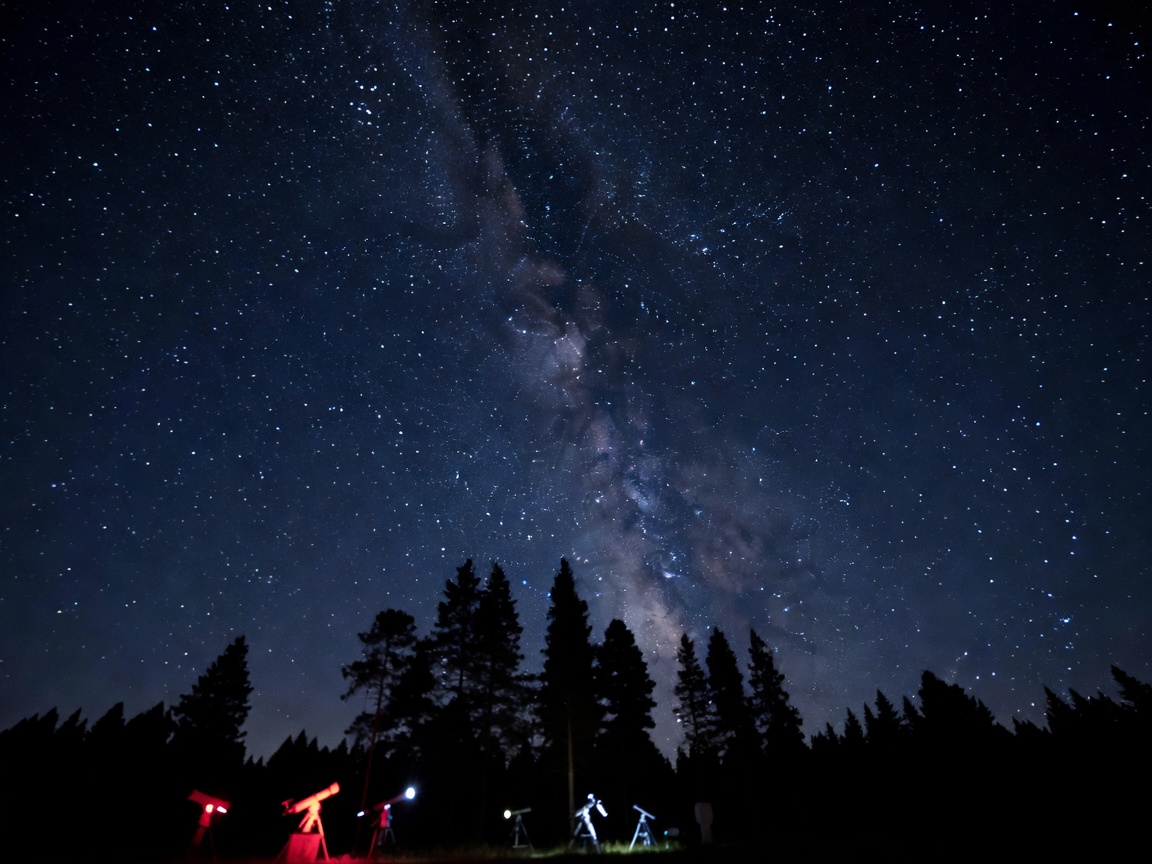
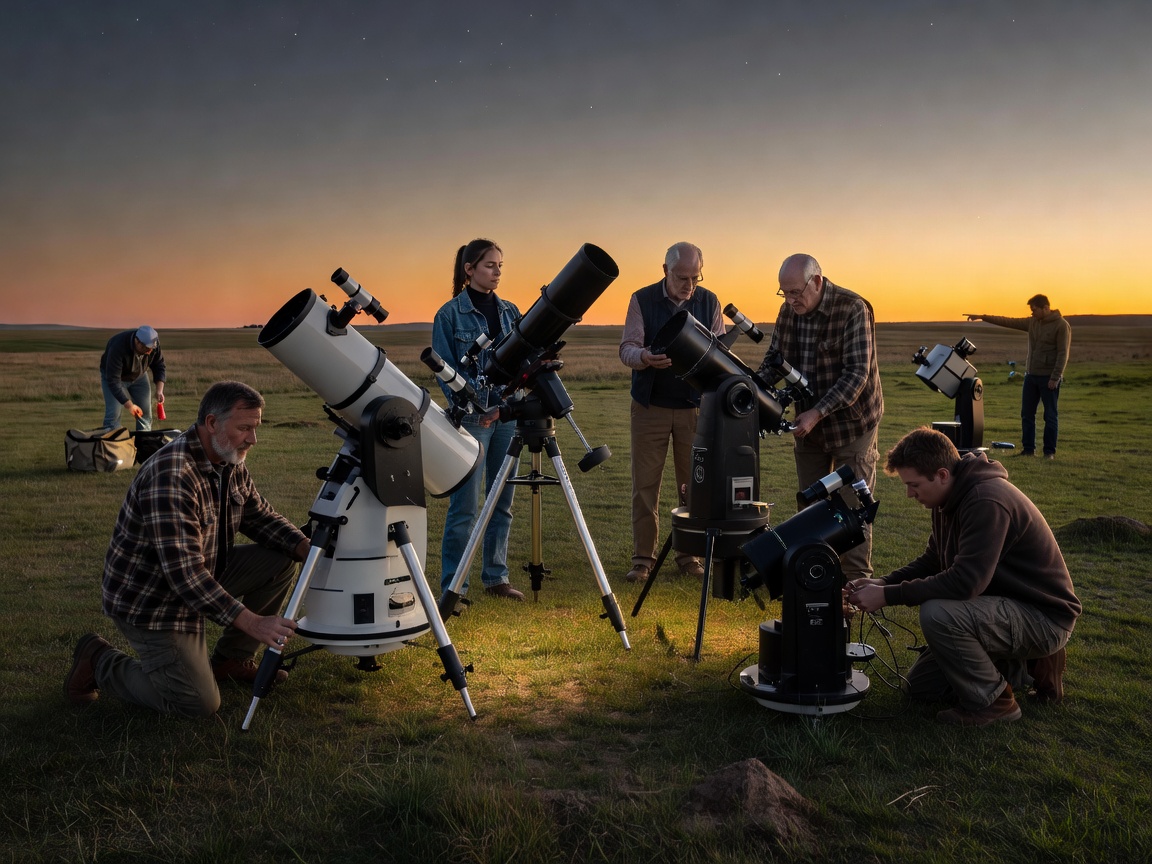
Members of an amateur astronomy club setting up telescopes before dusk.
Core Information

Astronomy Club Basics

Understand how amateur astronomy clubs operate. Learn about typical club structures, scheduled observing sessions, beginner onboarding, educational meetings, and equipment sharing practices.

Membership Operations
Read Club Basics
A long exposure shot of a night sky above a silhouetted treeline during an observing session.
Scheduling

Amateur Observing Events

Prepare for field nights. Covering lunar, planetary, and deep-sky observation sessions. Review critical planning factors including weather tolerances, darkness parameters, and required transport logistics.

Field Nights Meteor Showers
Plan Observing Events
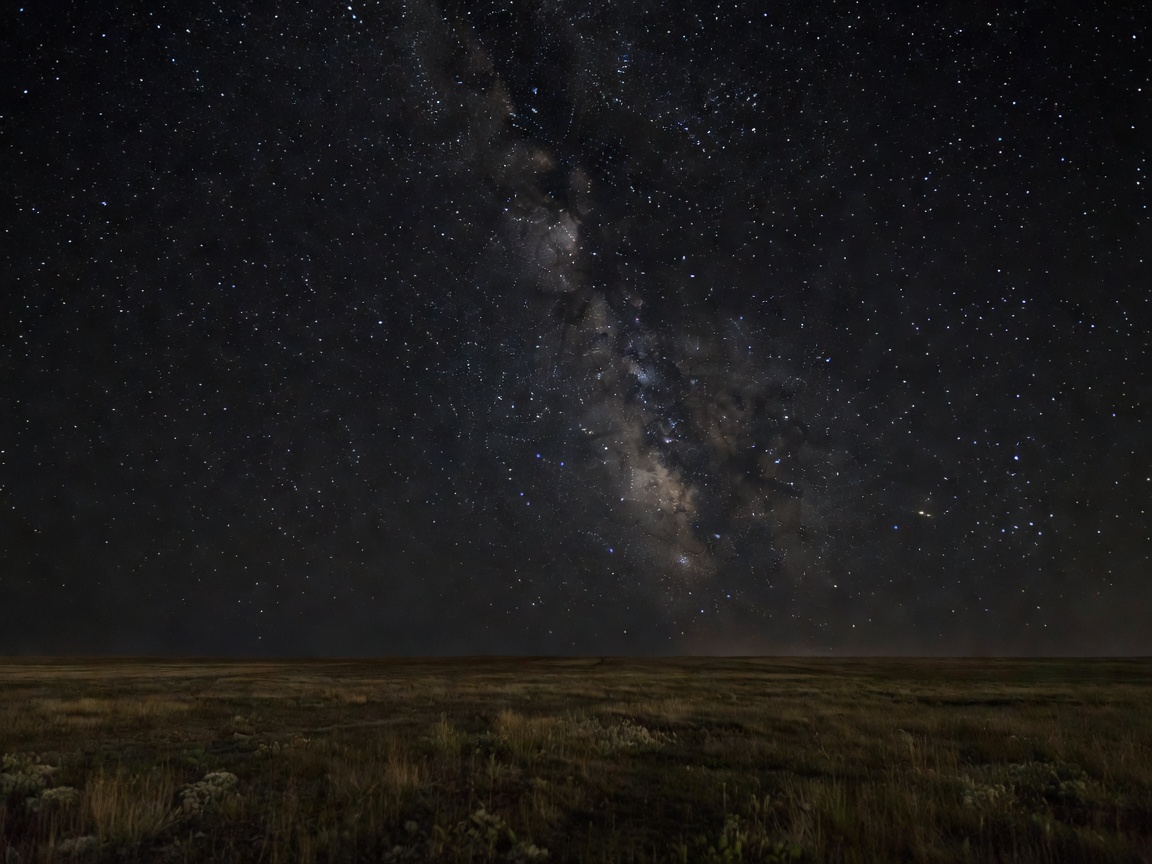
A wide open field at night showing a clear horizon suitable for observing.
Geography

Stargazing Locations in Europe

Evaluate observing sites correctly. Analyze light pollution gradients, horizon clearance, accessibility, and seasonal weather patterns. Understand rural vs. urban observing limitations.

Light Pollution Terrain
Find Dark Skies
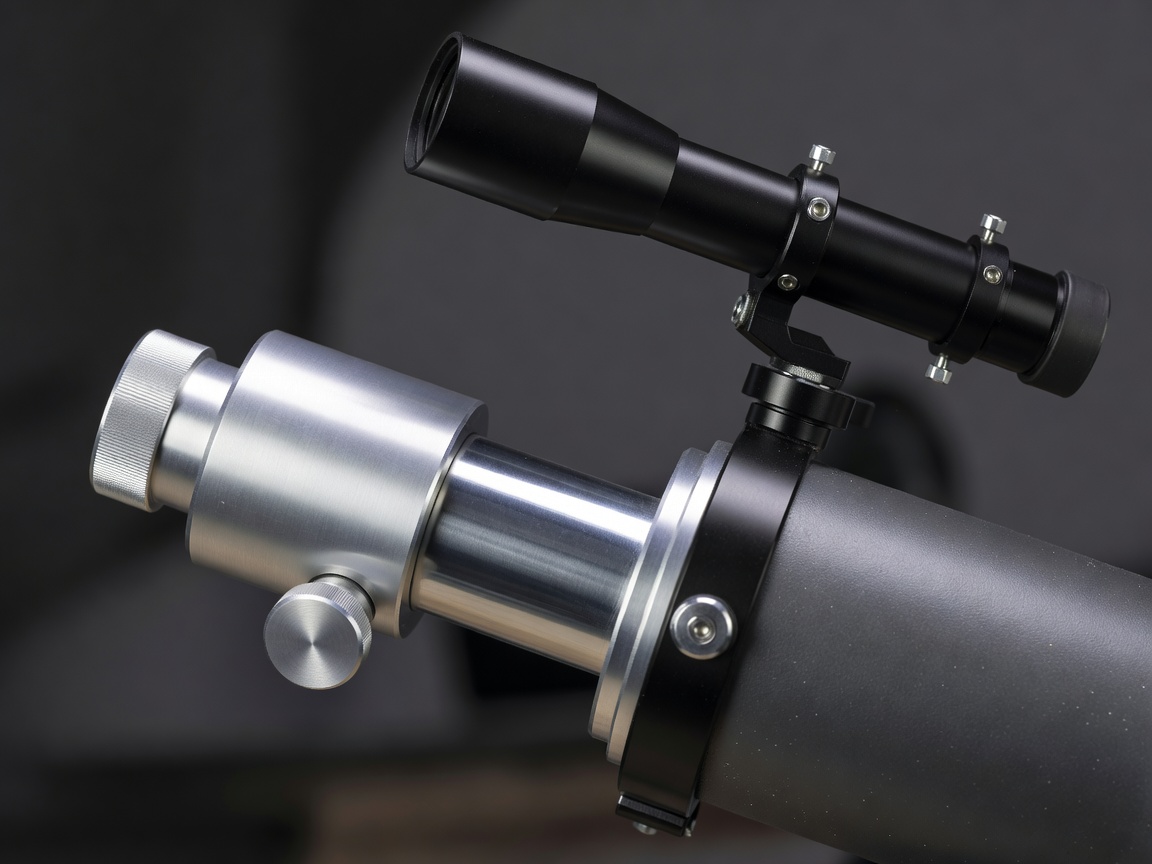
Detailed view of a telescope focuser and a mounted finderscope.
Hardware

Astronomy Equipment Guide

Analyze field equipment specifications. Differentiate between refractors, reflectors, and binoculars. Understand focal length, mount stability, red-light preservation, and essential star charts.

Telescopes Optics
Review Equipment
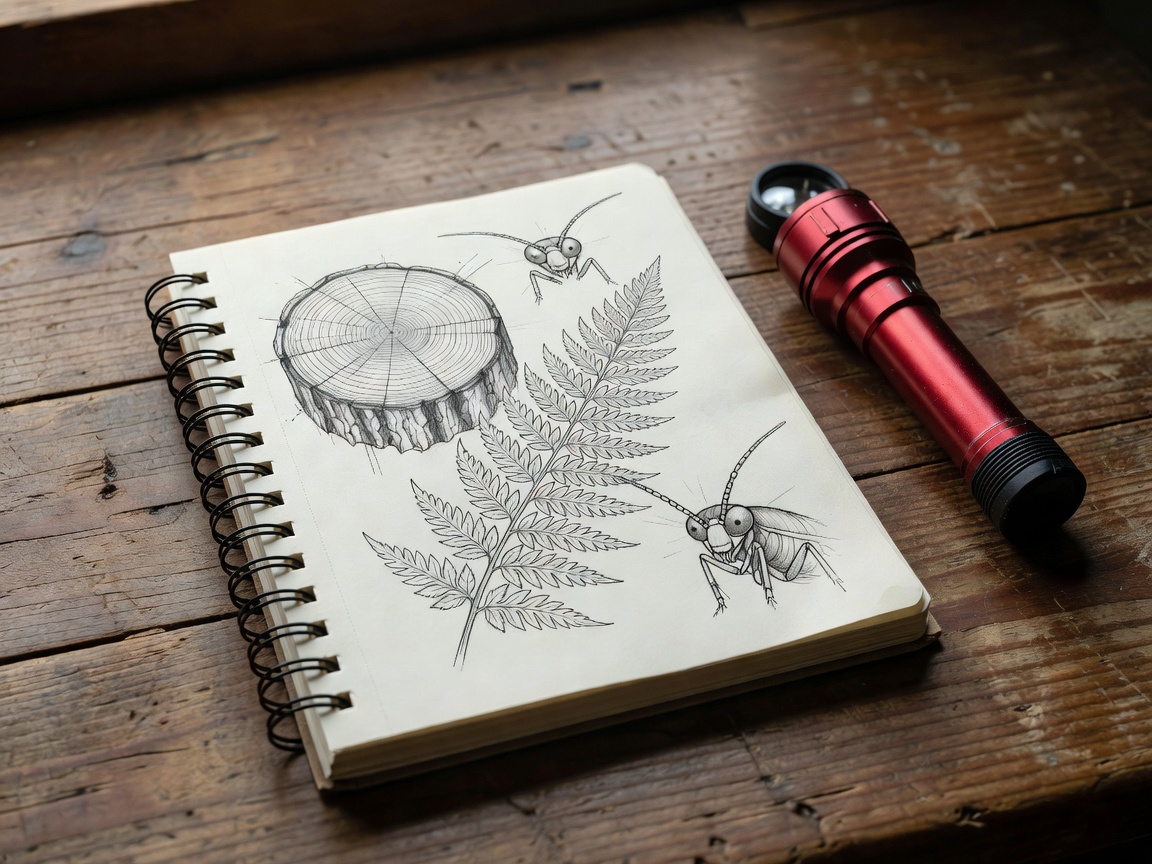
A notebook open on a table showing hand-drawn observation sketches next to a red flashlight.
Networking

Astronomy Club Community

Integrate with local societies. Learn the value of observing partners, beginner mentoring programs, public outreach duties, and maintaining accurate observation logs.

Societies Mentoring
Connect with Observers

PLAN THE OBSERVING SESSION

01

CHECK

Review transparency, seeing, cloud cover, and lunar phase. Verify local site accessibility and confirm weather thresholds.

Weather / Darkness
02

TRAVEL

Load equipment securely. Arrive before sunset. Use low beams when approaching dark sky sites to protect other observers.

Transport / Arrival
03

SET UP

Assemble mount and optical tube. Align finder scope. Allow primary mirror to reach thermal equilibrium with ambient air.

Equipment Prep
04

OBSERVE

Use star charts and red flashlights. Maintain dark adaptation. Utilize averted vision for faint deep-sky objects.

Visual Techniques
05

RECORD

Log object coordinates, time, equipment used, seeing conditions, and sketch the visual field at the eyepiece.

Field Notes