Astronomy Equipment Guide
Visual astronomy requires mechanical stability and optical precision. Selecting the correct instrument involves balancing aperture, portability, setup time, and targeted celestial objects. Poor mounting solutions render high-quality optics useless.
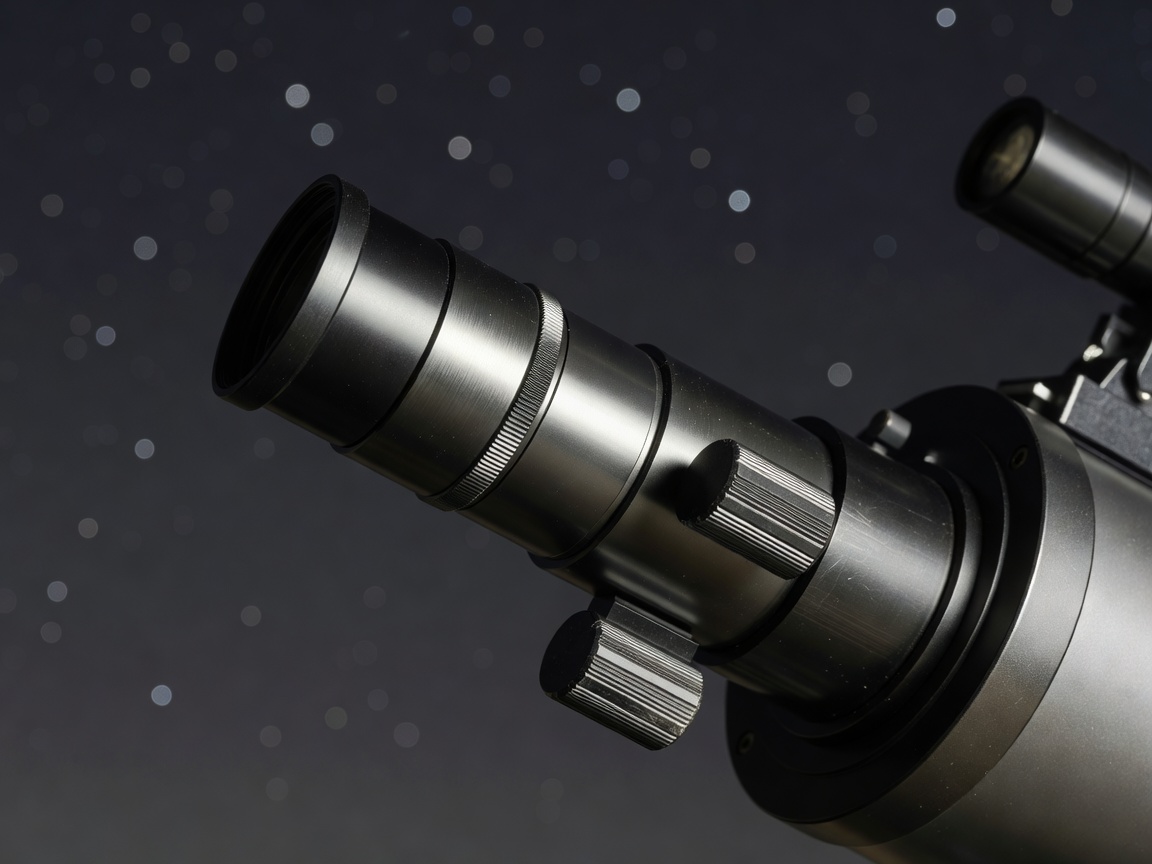
Binoculars
Binoculars are the primary tool for beginners and a permanent asset for experienced observers. They provide wide fields of view and intuitive point-and-look operation. Standard astronomy specifications are 7x50 or 10x50, indicating 10x magnification with 50mm objective lenses.
Models exceeding 10x magnification or 50mm aperture require mechanical support. The human arm cannot hold heavy optics steady enough to resolve pinpoint starlight. Tripod adapters are mandatory for 15x70 models.
Refractors vs. Reflectors
Refracting telescopes use objective glass lenses. They require zero maintenance and offer high contrast for planetary observing. However, large apertures become prohibitively heavy and expensive due to glass machining limitations.
Reflecting telescopes use mirrors. They deliver maximum aperture per unit cost, making them ideal for deep-sky observation (galaxies and nebulae). Newtonian reflectors require regular alignment (collimation) of the primary and secondary mirrors to maintain optical sharpness.
Telescope Mounts
The mount dictates usability. Alt-azimuth (Alt-Az) mounts move up-down and left-right. The Dobsonian design is an alt-azimuth mount that supports large Newtonian reflectors stably and cost-effectively.
Equatorial mounts align with the Earth's axis of rotation. They track celestial objects using a single axis of movement. They require precise polar alignment and heavy counterweights, making them standard for astrophotography but complex for quick visual sessions.
Eyepieces
Magnification is altered by changing eyepieces. It is calculated by dividing the telescope's focal length by the eyepiece's focal length. Excessive magnification spreads available light too thin, resulting in dim, blurred images.
Standard designs include Plössl eyepieces, which offer a 50-degree field of view. Modern wide-angle eyepieces provide 68 to 100-degree views, facilitating longer observation times for objects drifting through the field in undriven telescopes.
Critical Accessories
Red-light flashlights are mandatory. White light instantly destroys rhodopsin in the retina, ruining dark adaptation for up to 30 minutes. Paper star charts or specialized atlas books are used at the eyepiece.
An adjustable observing chair prevents fatigue. Viewing at odd angles through a telescope induces muscle strain. Seated observation stabilizes the head, significantly increasing the eye's ability to detect faint details.
Good For
- Matching gear to specific targets.
- Understanding payload capacities.
- Maximizing optical efficiency.
- Preventing costly purchasing errors.
What To Know
- Mount stability outranks optical quality.
- Aperture determines light-gathering power.
- Magnification limits are dictated by atmosphere.
- Collimation is a required maintenance skill.
Related Guides
- Astronomy Club Basics — Test club equipment before buying.
- Stargazing Locations — Ensure gear fits transport restrictions.
Equipment questions?
Contact us regarding optical specifications, mount stability, or accessory integration.
Contact Us