Astronomy Club Basics
Amateur astronomy clubs form the backbone of practical night-sky observation. They provide infrastructure, shared knowledge, secure dark-sky access, and structured observing programs for both visual observers and astrophotographers.
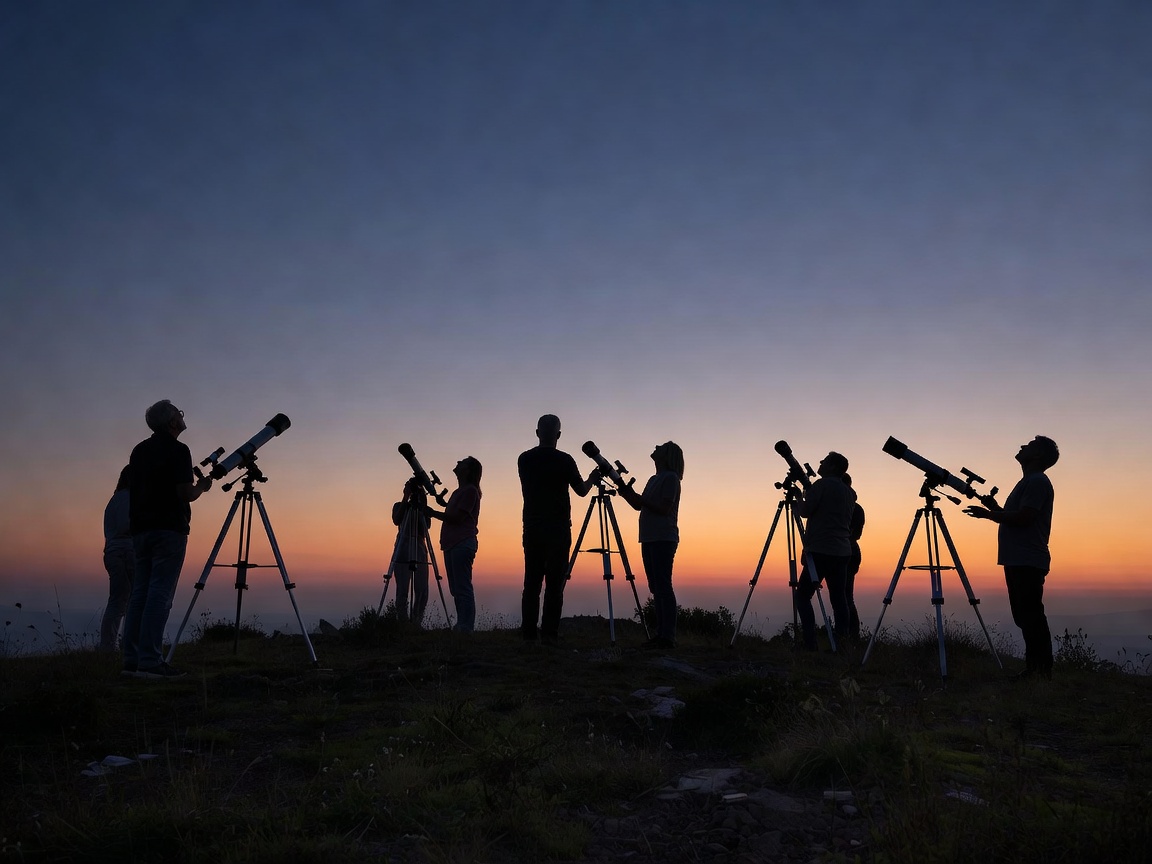
What Amateur Astronomy Clubs Do
Clubs organize field operations for local observers. They secure access to dark sites, maintain observing equipment, and arrange scheduled viewing nights. Membership allows individuals to bypass the logistical difficulties of finding safe, unlit observing locations.
Clubs support visual observing (looking through the eyepiece) and astrophotography (imaging through the telescope). Most clubs divide their activities between indoor educational meetings and outdoor field observing sessions.
Typical Club Structures
Amateur astronomy societies operate under formal structures. They maintain an elected committee consisting of a president, secretary, treasurer, and observing director. The observing director monitors weather models and issues go/no-go decisions for scheduled observing sessions.
Funding comes from annual membership dues. These fees cover public liability insurance, venue hire for indoor meetings, observatory maintenance, and access agreements with landowners. Membership tiers usually include adult, student, family, and senior categories.
Observing Sessions
Field sessions are the primary activity. Clubs establish regular schedules based on lunar cycles. Deep-sky observing requires dark skies, so primary sessions are scheduled during the new moon. Lunar and planetary sessions can occur regardless of moon phase.
During a session, members arrive before sunset. They deploy equatorial mounts, align finderscopes, and collimate mirrors. Once darkness falls, strict light discipline is enforced. White light is prohibited. Only dim red-light flashlights are permitted to preserve night vision (rhodopsin in the retina).
Educational Meetings and Beginner Participation
Indoor meetings occur monthly. They feature guest speakers, equipment demonstrations, and observing reports. These meetings proceed regardless of weather conditions. They serve as the administrative and social hub of the organization.
Beginner nights are dedicated onboarding events. New members are instructed not to purchase telescopes immediately. Instead, they learn the night sky using naked-eye observing, star charts, and club-provided binoculars. Senior members assist novices in identifying major constellations and navigating celestial coordinate systems.
Equipment Sharing
Many clubs operate an equipment library. Members borrow telescopes to test different optical designs before committing to a purchase. Typical loan inventory includes 8-inch Dobsonian reflectors, wide-field refractors, and specialized eyepieces.
Larger societies maintain permanent observatories. These facilities house large-aperture instruments, such as 14-inch Schmidt-Cassegrain telescopes on heavy-duty equatorial mounts. Access requires completion of a formal training and certification process.
Good For
- Securing safe dark-sky locations.
- Testing equipment before buying.
- Learning precise star-hopping techniques.
- Accessing experienced mentors.
What To Know
- Sessions depend heavily on weather.
- Strict red-light rules apply on field.
- Annual dues are required for access.
- Patience is essential for visual observing.
Related Guides
- Astronomy Equipment Guide — Learn about standard club telescopes.
- Astronomy Club Community — Explore societal structures and mentorship.
Need further clarification?
Contact us regarding club structures or finding relevant society information.
Contact Us